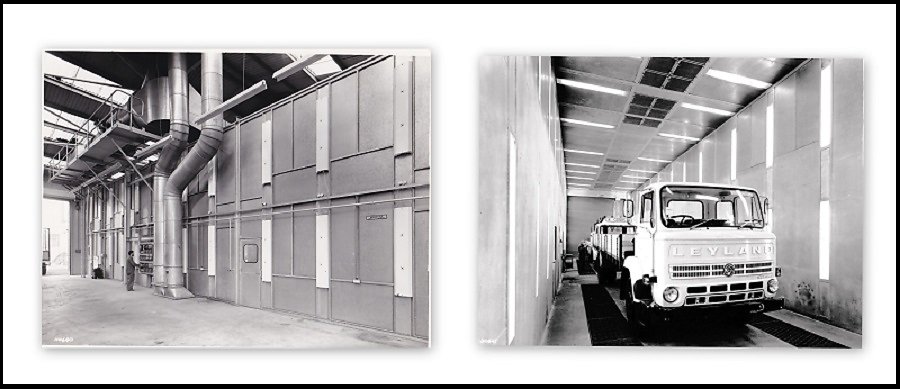
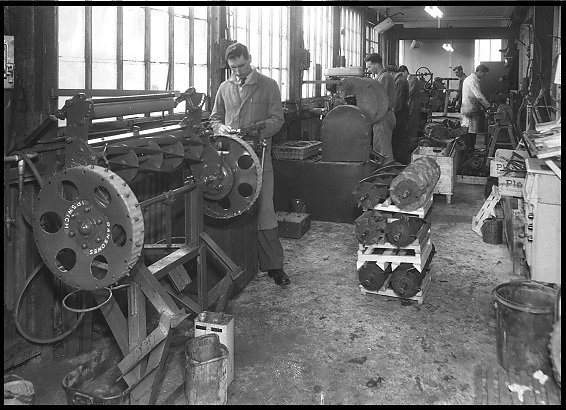
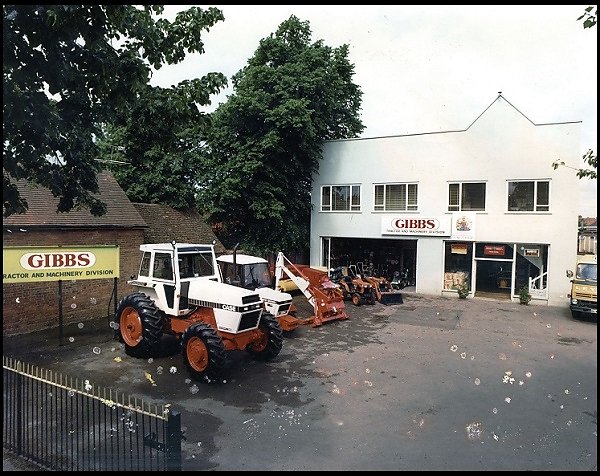
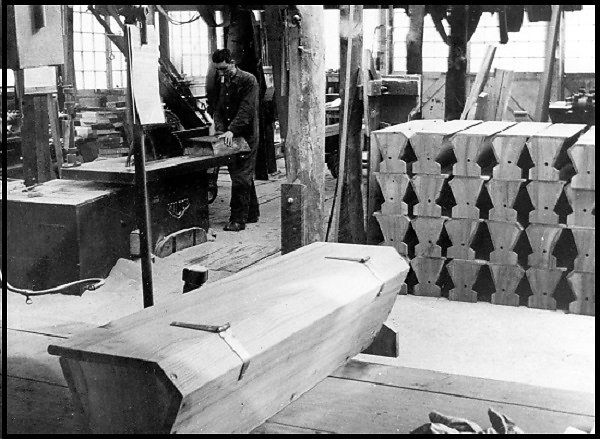
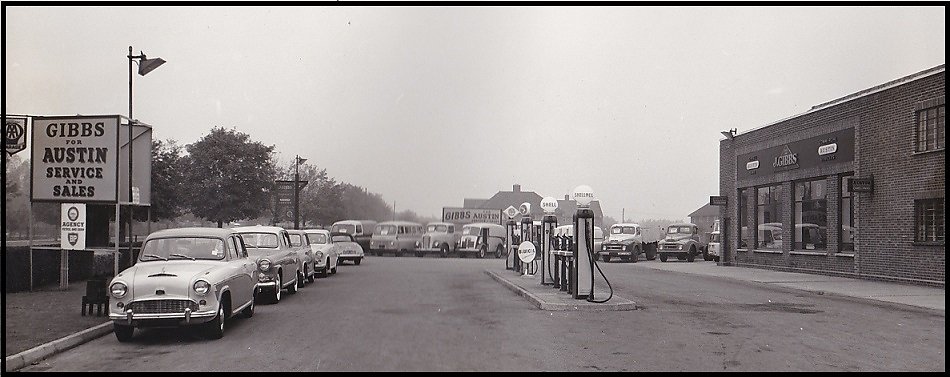
In the 1970’s the Bedfont site underwent a significant structural re development. Previously the body building paint shop, lawnmower workshop, agricultural workshop, sales department and parts department were located in separate buildings. The new b…
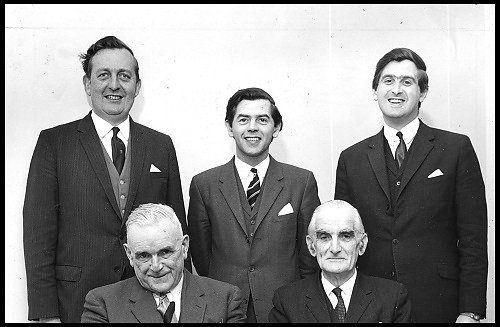
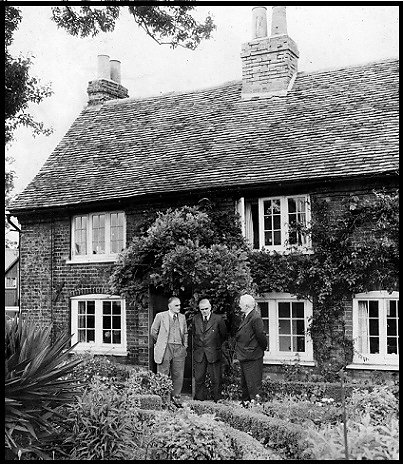
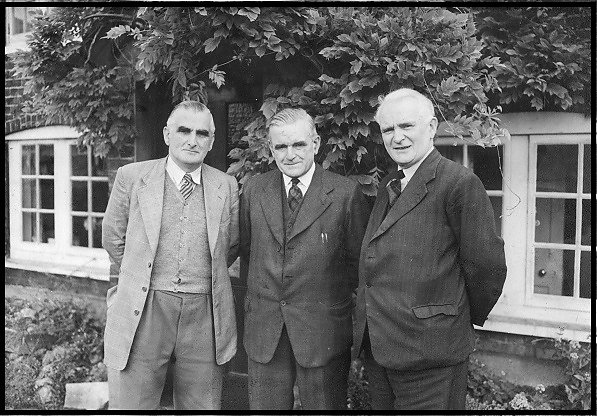
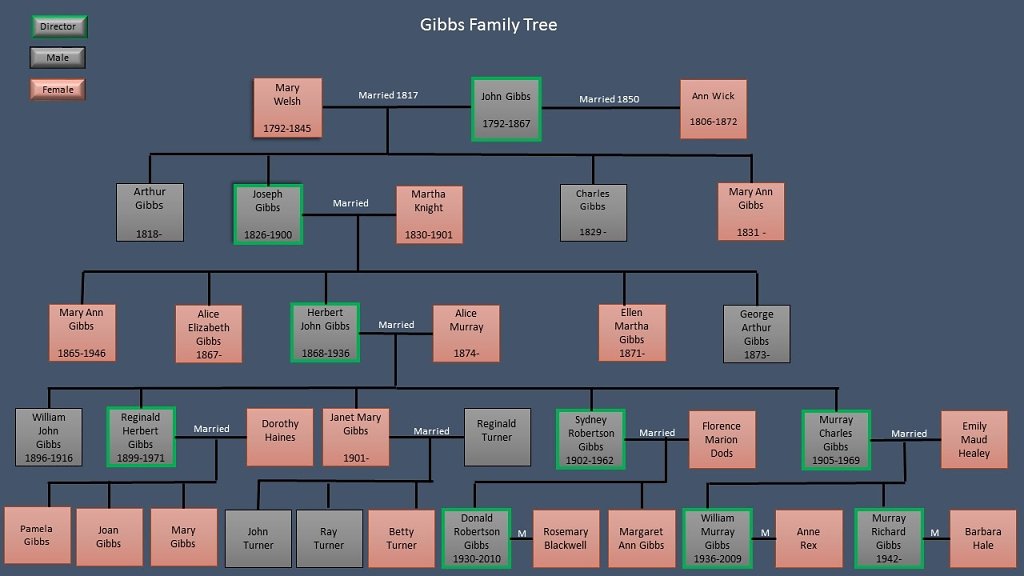
Standing left to right: Donald, son of Sydney; William and Richard, sons of Murray.
Seated left to right: Reginald and Murray Gibbs.
Donald,William and Richard were the fifth and final generation of the Gibbs family to run the business which ceased…
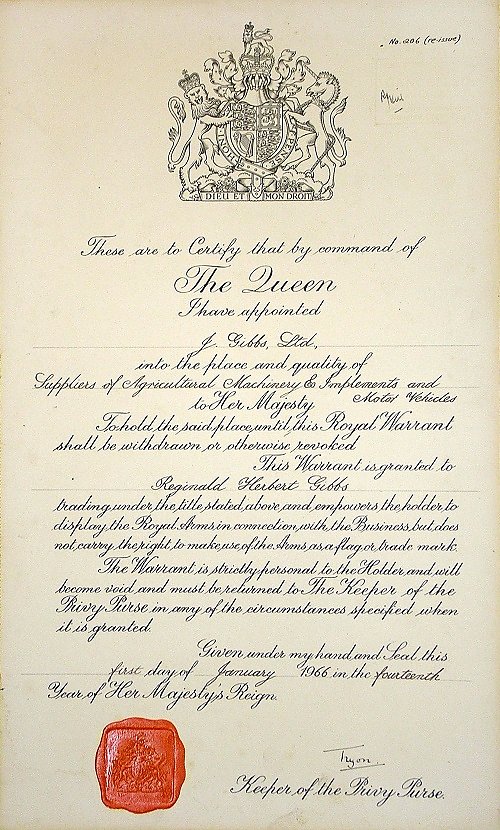
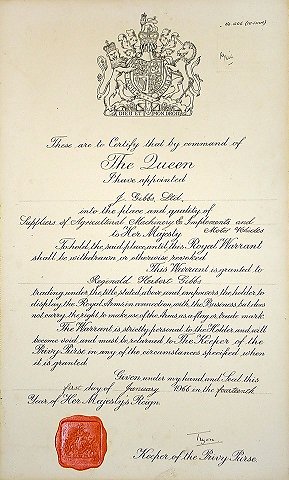
Royal warrants are a mark of recognition that tradesmen are regular suppliers of goods and services to the Royal households. Strict regulations govern the warrant, which allows the grantee or company to use the legend 'By Appointment' and display the…
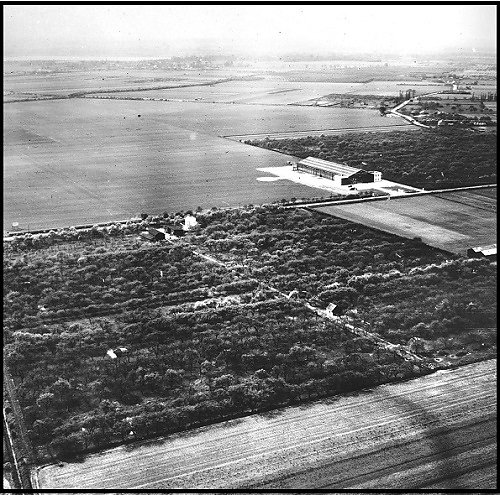
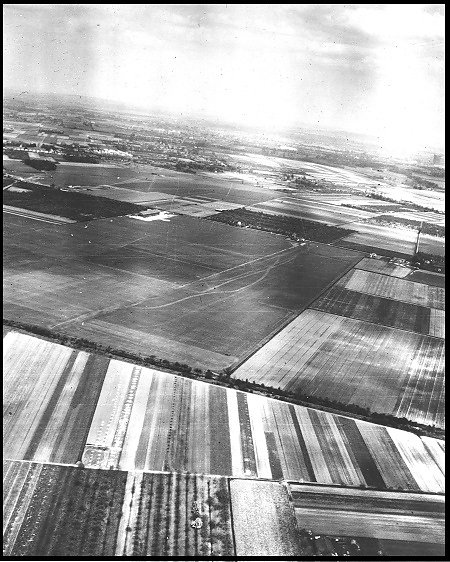
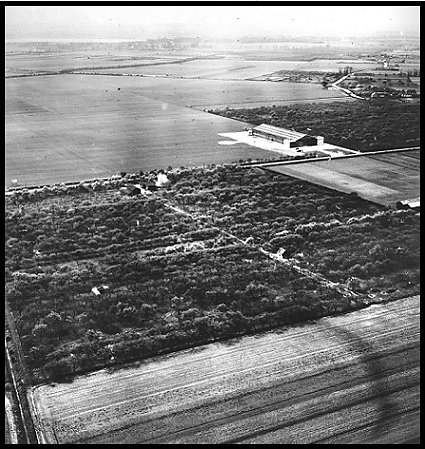
The photgraph above shows the the agricultural land around the aerodrome where crops were grown for the London markets.
Heathrow airport started life in the 1930’s as the Great Western Aerodrome, privately owned by Fairey Aviation. It was largely…
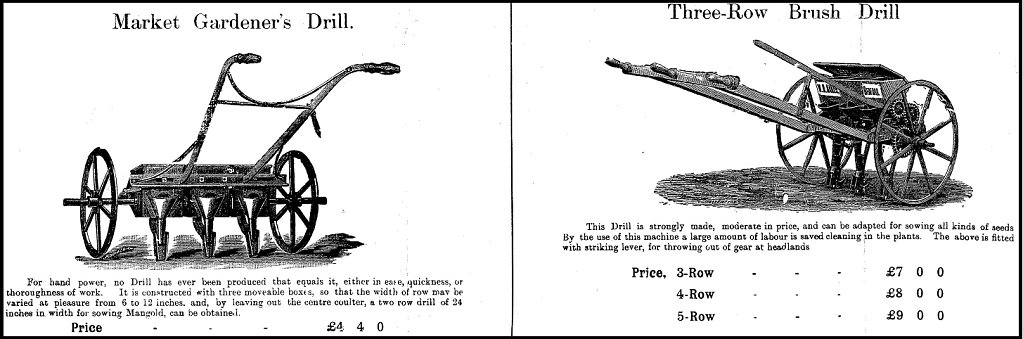
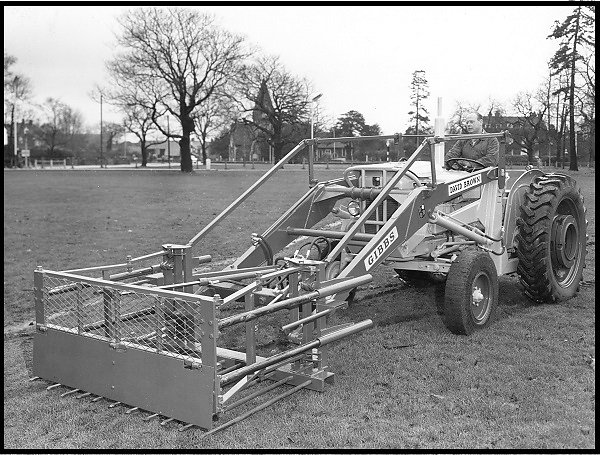
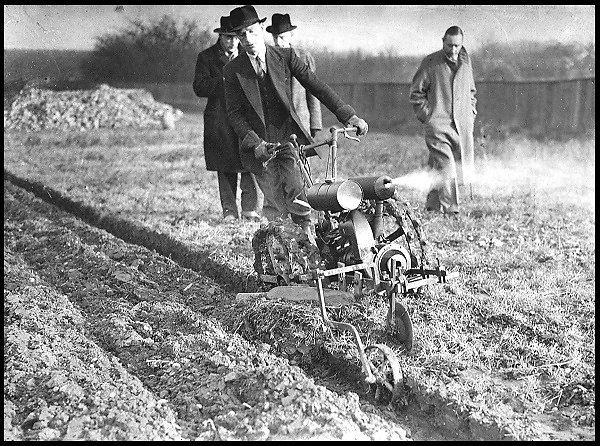
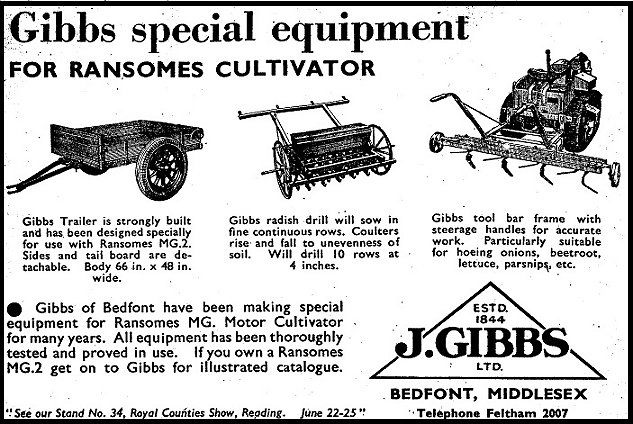
Agricultural implements have always been an important part of the Gibbs work. Equipment was designed and built for the very different jobs which farmers and growers had to do during the season and to ensure the cultivation of different crops was ach…
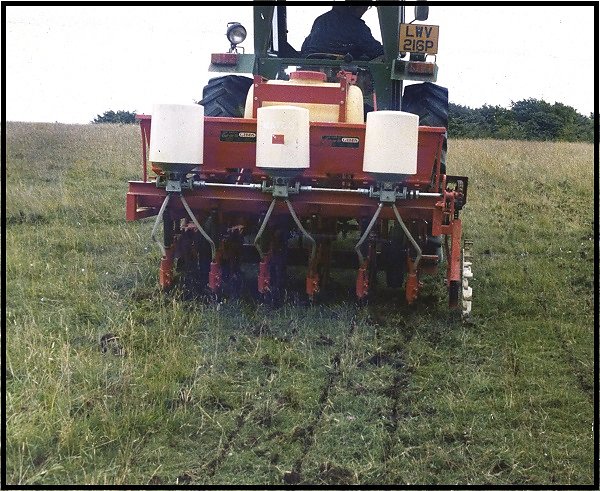
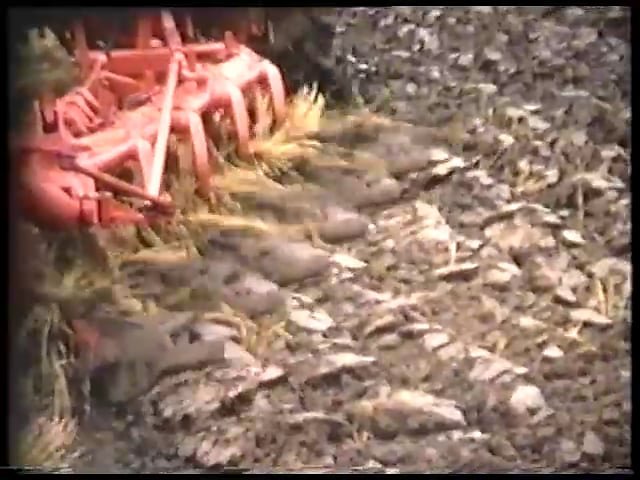
A specially designed implement for sowing grass seed into existing turf for stronger growth. This drill was designed in a partnership between Gibbs and ICI to enable the sward (grass crop) to be improved without having to plough and cultivate the fi…
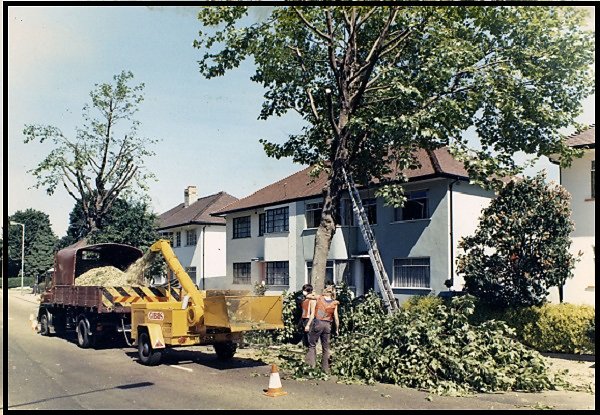
Although a very common machine now, Gibbs was the first company in the UK to import wood chippers from the USA in the 1970’s. They bought in the mechanism and built the trailer around it. This photo shows an early tree chipper being used by staff…
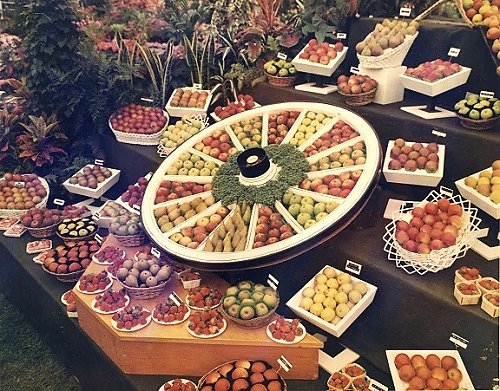
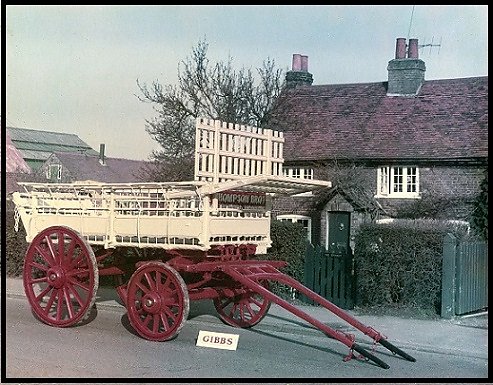
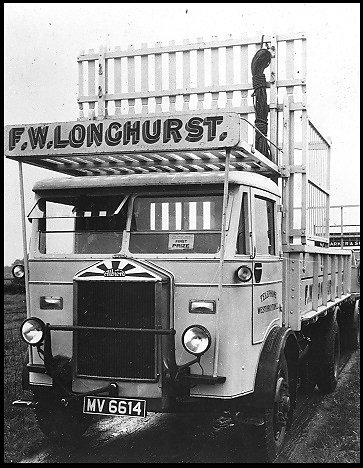
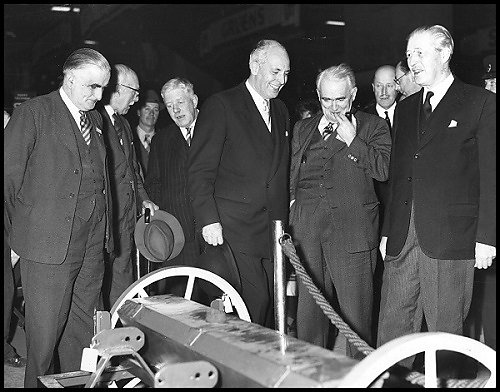
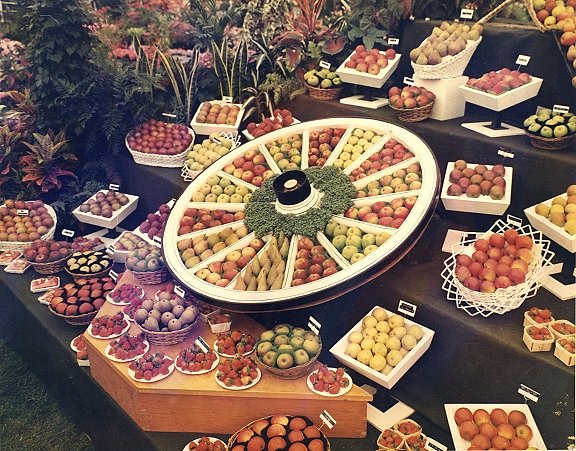
A wheel made by Gibbs wheelwrights and used on a Gibbs built strawberry van found a new life as the centrepiece for exhibits at shows. In 1953 it was used by the National Farmers Union (NFU) for their award winning display. Later it was used in a G…
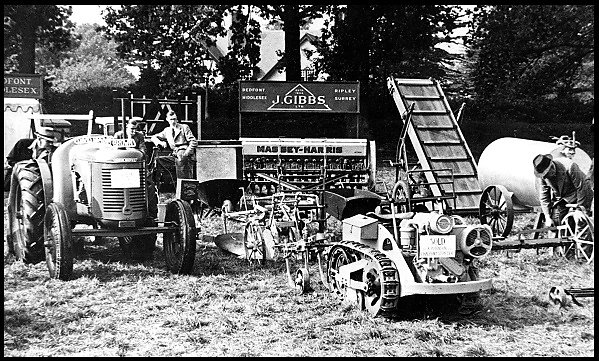
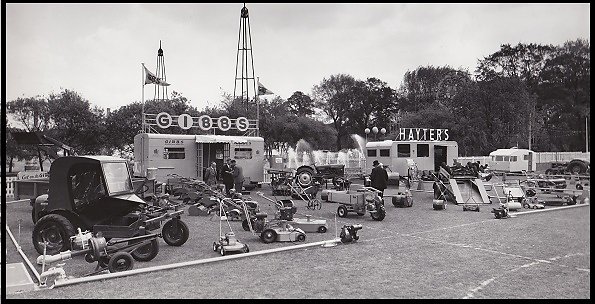
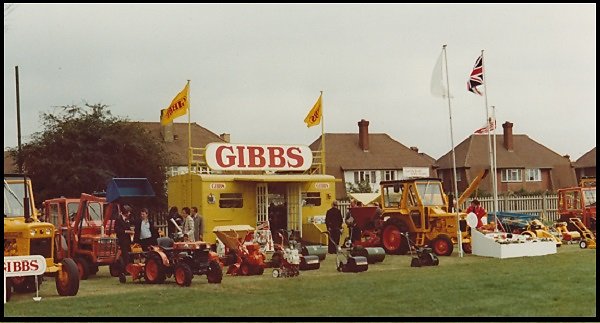
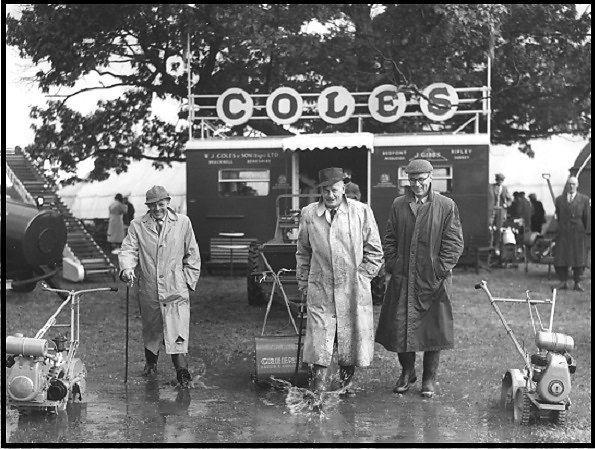
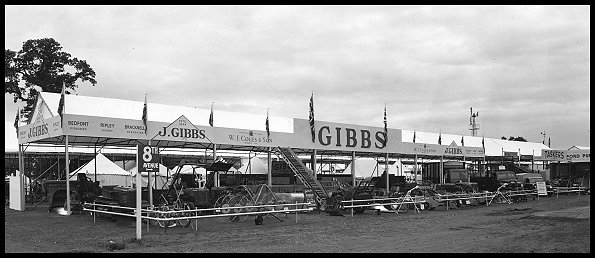
The firm’s reputation led to their regular attendance at both local agricultural shows and national shows where they exhibited every year from 1926-1997.
The flag poles and name panel on the show caravan folded down for travelling and could be reversed showing the name Coles or Gibbs depending on the venue of the show.
The caravan, which acted as a sales office at shows, was built by the body builders in Gibbs workshop on a war surplus bomb trailer chassis. As you can see from the photographs the caravan style changed over the year; it was a prominent feature at n…
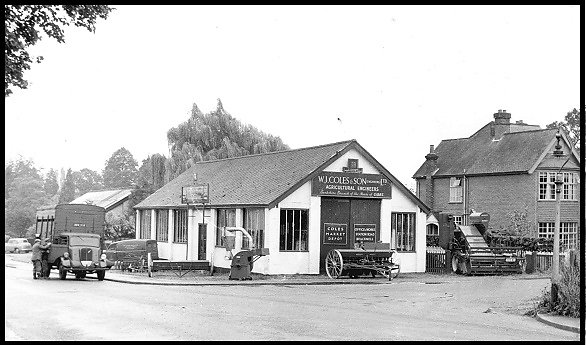
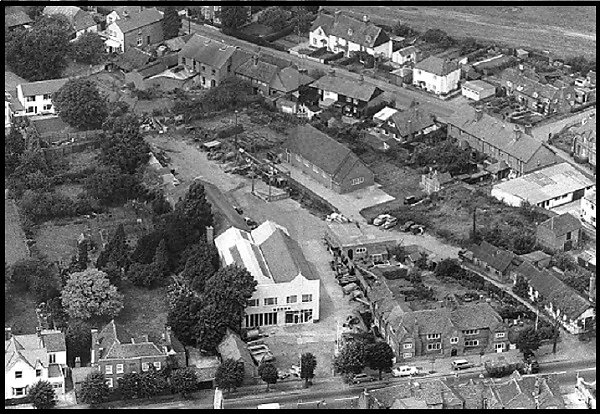
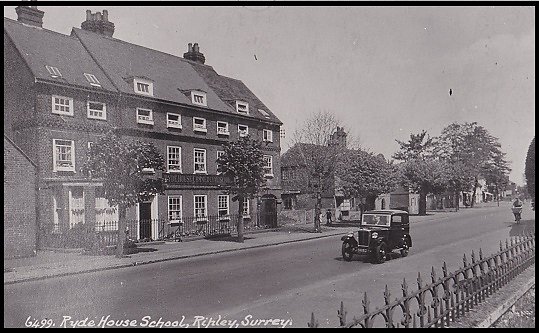
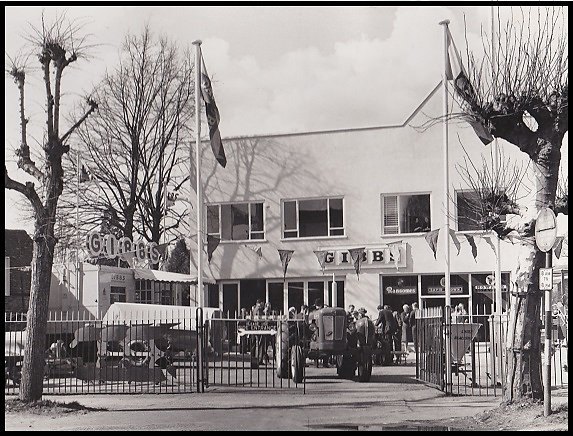
The white building in the central foreground was the Gibbs showroom in Ripley, Surrey. The workshops were located to the rear of the building.
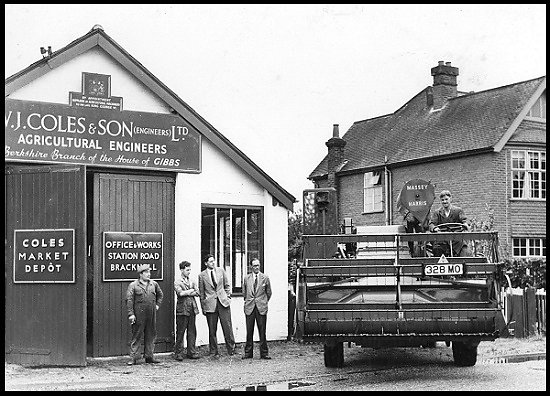
COLES OF BRACKNELL
Gibbs acquired the firm Coles of Bracknell, Berkshire on 1st February 1947. Thi…
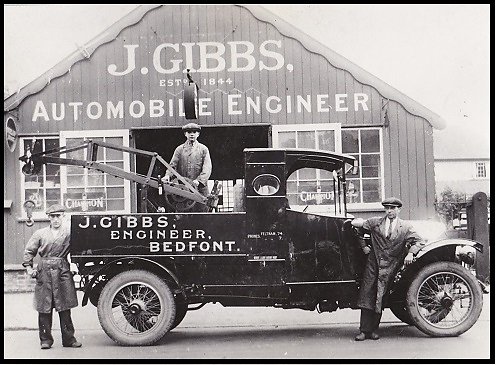
The original motor vehicle workshop was situated on the Staines Road in Bedfont. In 1949 Longbridge House was built on the Stanwell Road site and this heralded the expansion of the motor and commercial vehicle division.
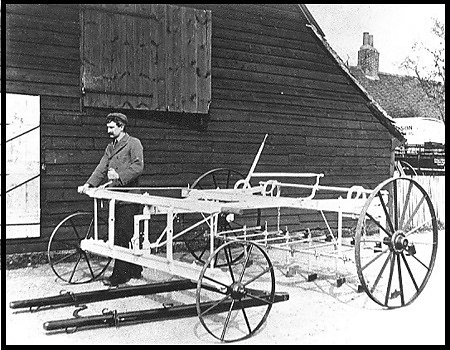
Herbert continued the family tradition, designing many items including the horse-drawn marker seen here. This was used to mark out the fields so that the seed could be planted quickly and evenly.
To view this video in full screen, click on Vimeo at the bottom of the image to watch it on Vimeo.com and then click on the four arrows in the right hand corner of the image to open the full screen. Click on the white arrow in the bottom left hand c…
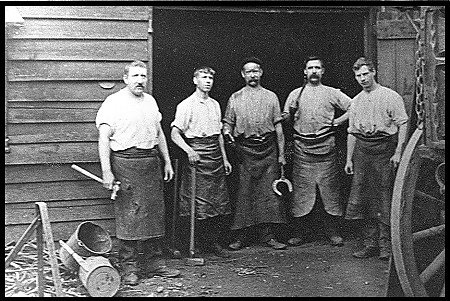
The business expaned and the blacksmiths were kept busy designing and making pieces of ironwork used on implements and wagons as well as shoeing horses. Similarly there was plenty of work for the wheelwrights, building and repairing carts and wagons,…
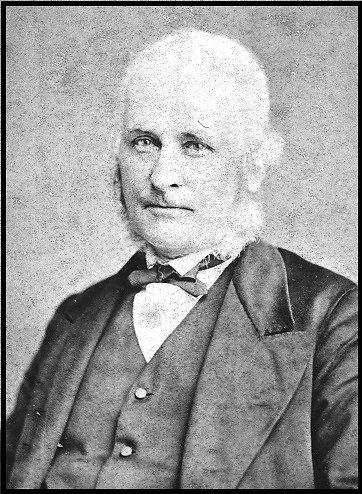
John Gibbs had three sons, Arthur, Joseph and Charles. All three sons joined the gold rush in Australia; Joseph returned to England when his father suffered a stroke and he became the second generation to run the family business.
From right to left; Sydney, Reginald and Murray Gibbs, the fourth generation to run the family firm.
John Gibbs lived with his family in The Spinney with the wheelwright and blacksmith workshop attached. Originally there were two cottages which we…
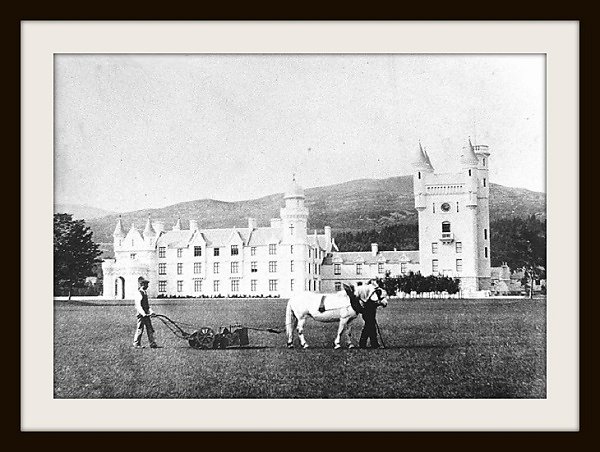
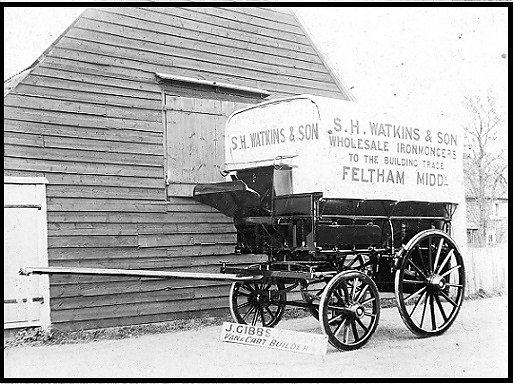
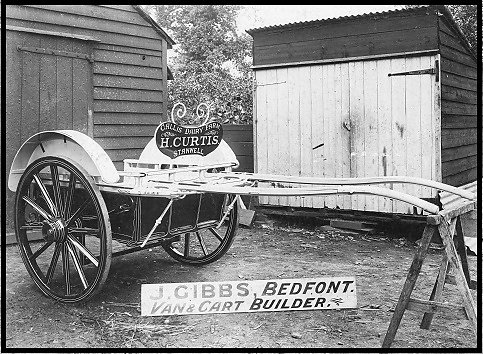
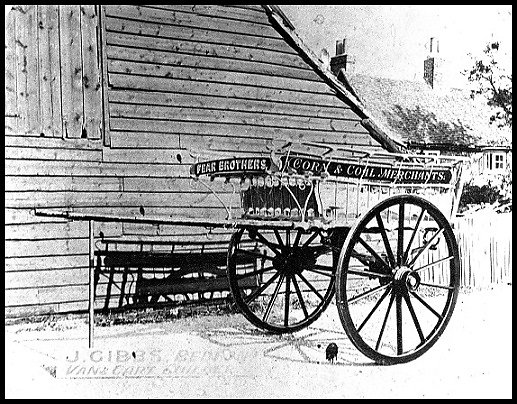
When John Gibbs began the business, the horse was an essential form of transport and vital for most agricultural work. As Bedfont was in the middle of a busy farming area, there was plenty of work for the new firm, making and mending both horse dra…
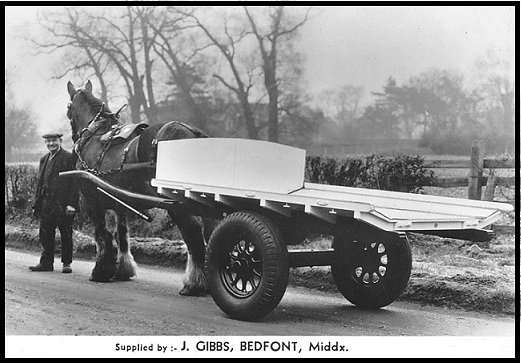
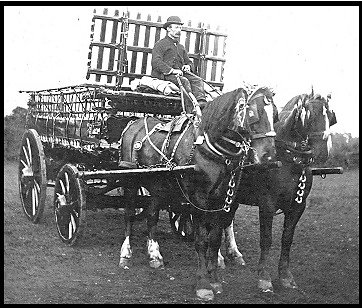
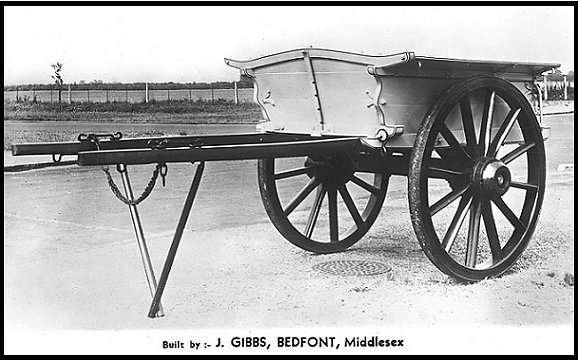
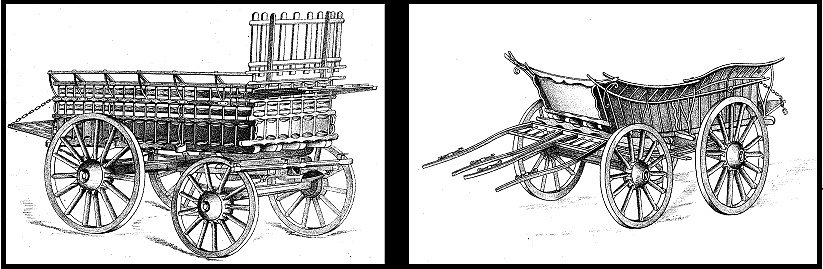
Many types of agricultural carts and wagons were built by Gibbs and in particular, there was a steady trade in dung carts. Dung was an essential commodity for any farmer in an age before artificial fertiliser, for without it, his land would soon bec…
The Bedfont area was surrounded by a vast number of fields for cultivation which can be seen in these pictures, taken in the 1930’s. The crops in the fields and orchards are laid out in rows. All of this land is now Heathrow Airport.
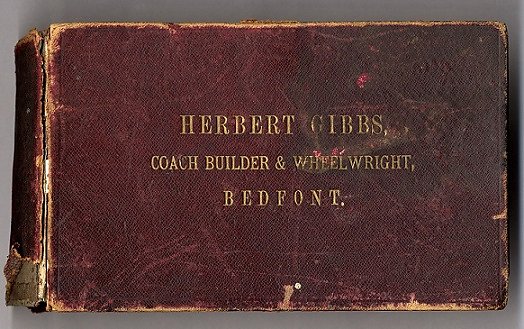
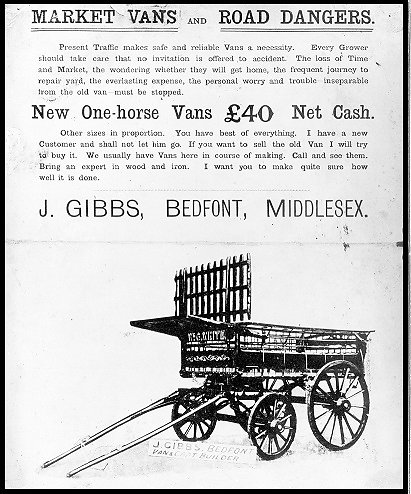
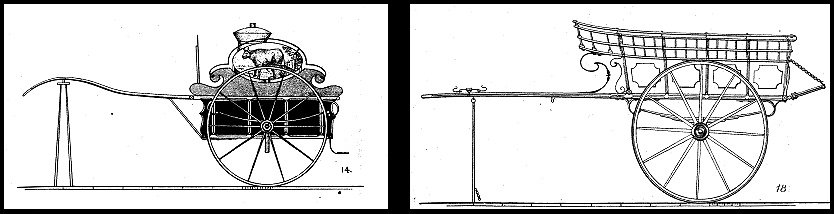
Herbert realised the need for different types of transport required by the farmers and market gardners in and around the Bedfont area. He produced a pattern book in which he drew his designs for carts and wagons. The customer would choose which veh…
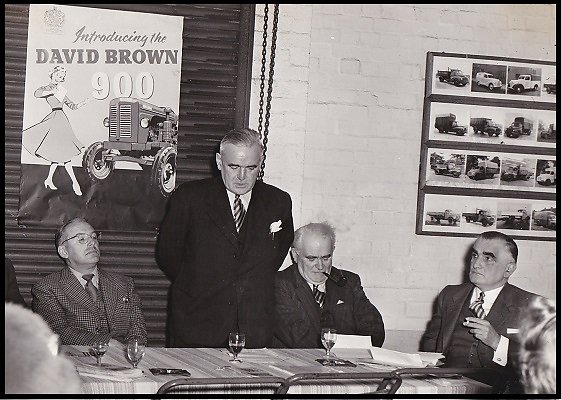
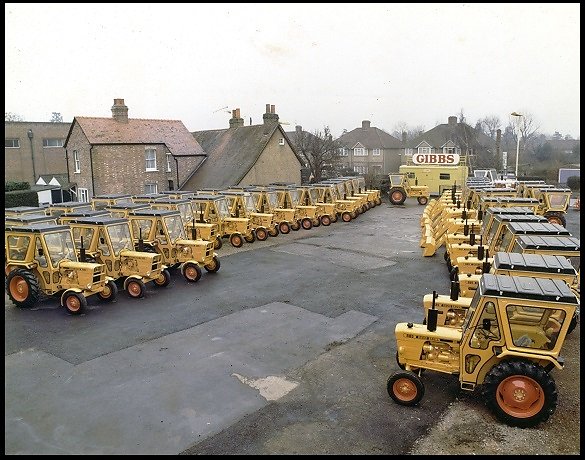
An order for 73 David Brown tractors for the Greater London Council in the yard at Gibbs, Bedfont in the 1970’s. This was the largest order for tractors ever handled by the firm.
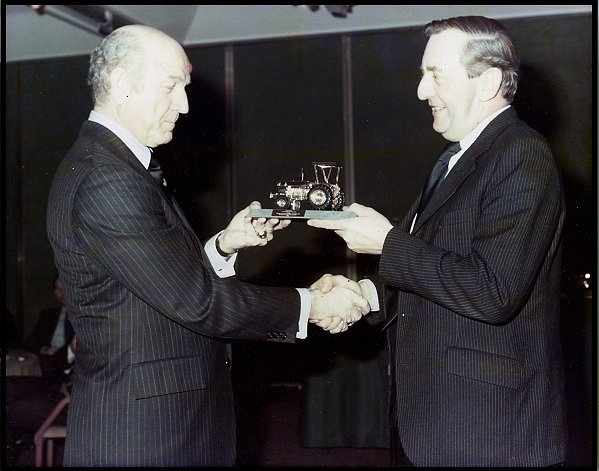
A presentation by the director of David Brown to Donald Gibbs in 1976 in recognition of the long association of the two businesses. The tractor model can be seen in the display case at the Rural Life Centre.
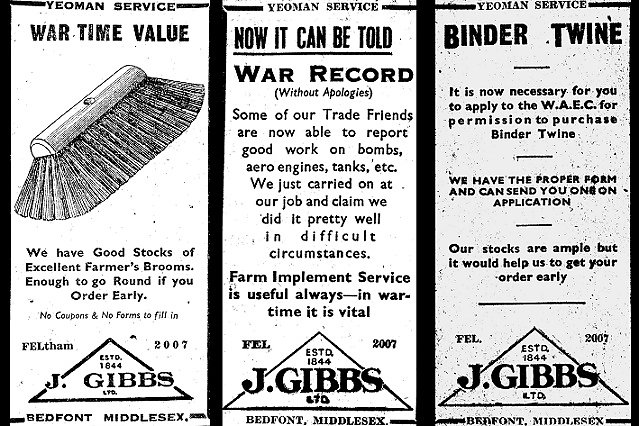
During World War II, much more land was brought into cultivation in order to feed the population when imported food became almost impossible to get. The firm was kept busy, often working into the evening, with everyone from craftsmen to office girls…
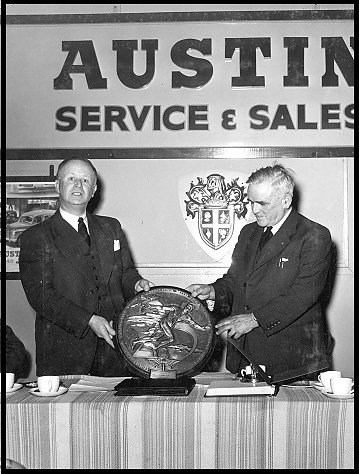
Presentation of a plaque to Reginald Gibbs in recognition of the company’s long association with the Austin Motor Company. This plaque is displayed in the Gibbs display at the Rural Life Centre.
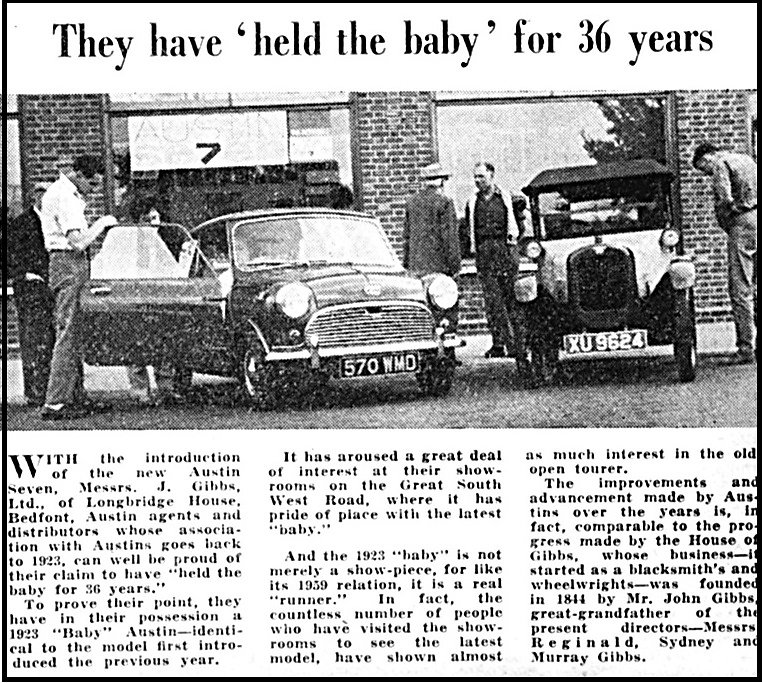
1959 newspaper article celebrating the arrival of the new the Austin 7, soon to be renamed the Mini.
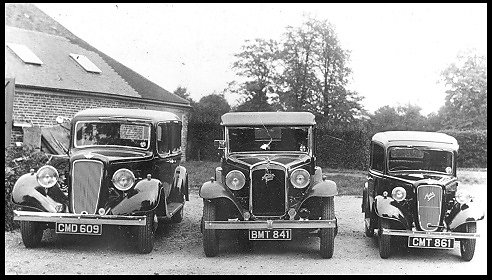
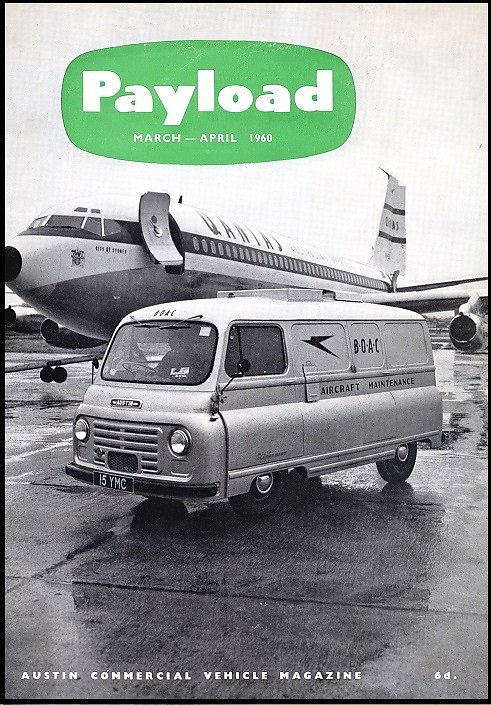
Austin merged with Morris in 1952 to become BMC and later with Leyland (1968) to form British Leyland. Throughout this period, Gibbs was given incr…
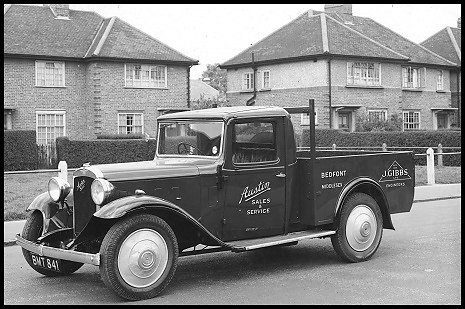
Gibbs association with the Austin Motor Company began in 1923, when they started selling Austin cars. Models such as the Austin 7 and the Austin 12 were available at this early stage.
Gibbs supplied local farmers with vehicles and they developed close links with many of the farming families in the area, so their customers were often also good friends.
Welcome to the Gibbs of Bedfont website. This site documents the history of 150 years of service to the farmers and market gardeners of Southern England. The firm of J. Gibbs traded under 5 generations of the same family until 1997. This is the st…
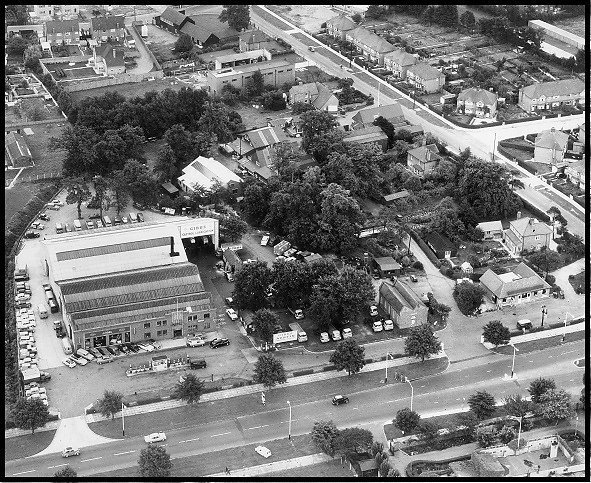
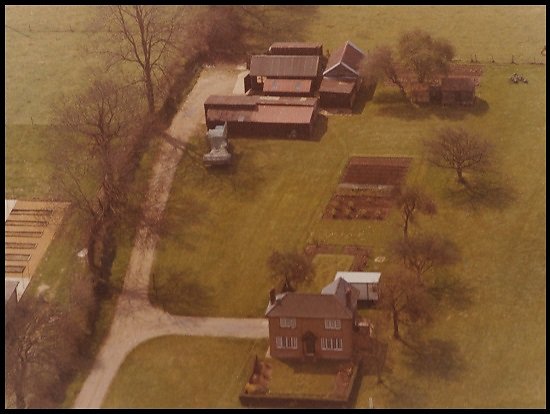
The site at Bedfont. Longbridge House is the large building in the foreground on the left. The Spinney cottage and blacksmith’s shop can just be seen centre back, standing slightly separate from the rest of the buildings. The Great South West Road…
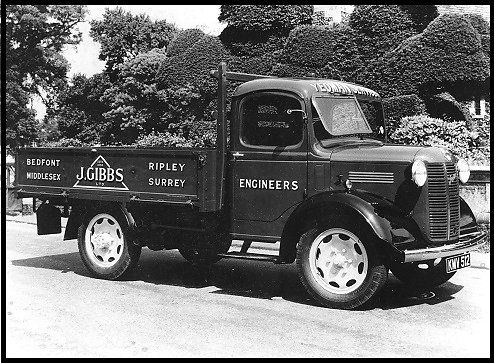
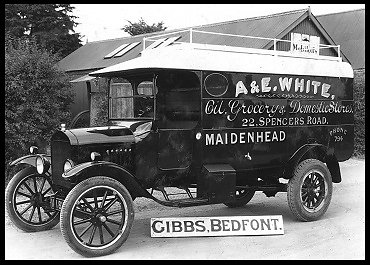
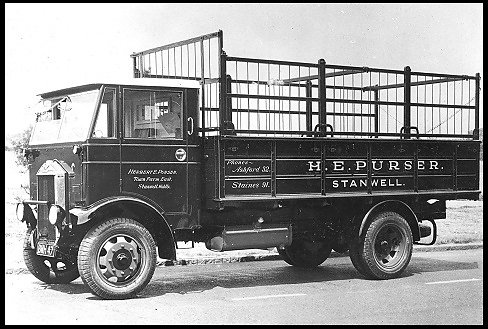
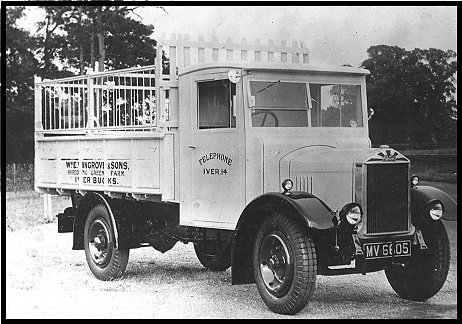
Herbert recognised the potential of power driven vehicles on solid tyres and with the end of the First World War providing many redundant military vehicles, he was quick to seize the opportunity. Soon Gibbs were adapting old lorries for use on farms…
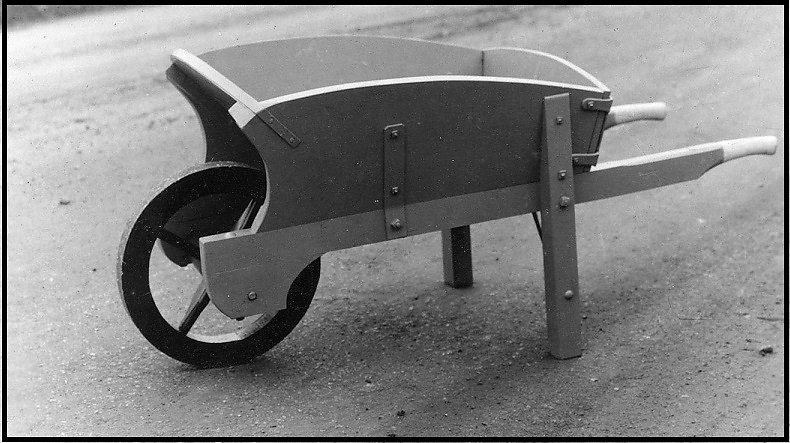
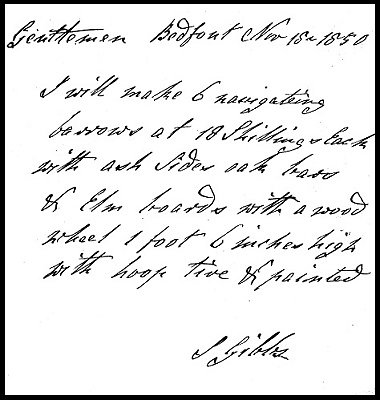
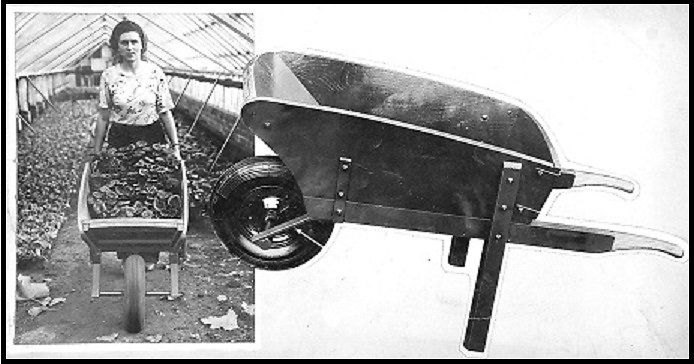
In 1920 the firm designed and built the first Gibbs Hampton Pattern Wheelbarrow, specially designed to negotiate the narrow doorways and aisles of the greenhouses in Hampton, Middlesex where flowers, especially carnations and chrysanthemums, were gro…
The horticultural trade around London was also thriving, with growers using greenhouses to provide a wider variety of flowers and edible produce. Gibbs, as usual, was ready to supply this trade with specialist equipment.
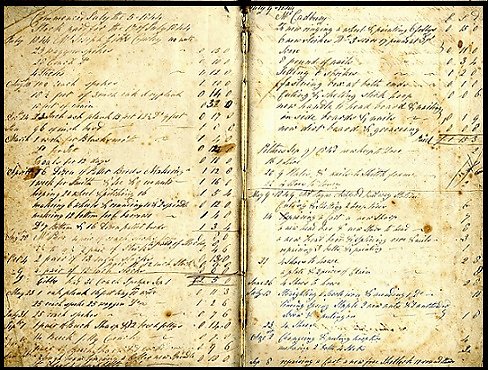
‘Bedfont, November 18th 1850. Gentlemen, I will make 6 navigating barrows at 10 Shillings each with ash sides, oak base and Elm boards with a wood wheel 1 foot 6 inches high with hoop tyre and painted.
J. Gibbs.’
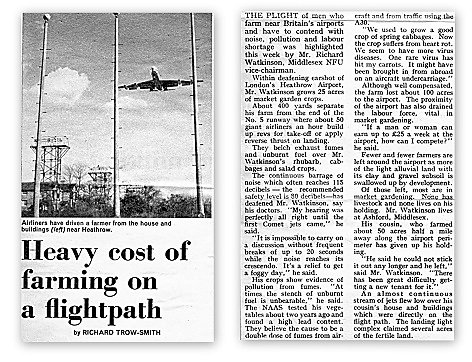
The continuing expansion of Heathrow saw the loss of land once used for growing produce and at the same time, its close proximity caused problems for the remaining farmers. Whilst Gibbs benefited from supplying equipment to the airport, it lost many…
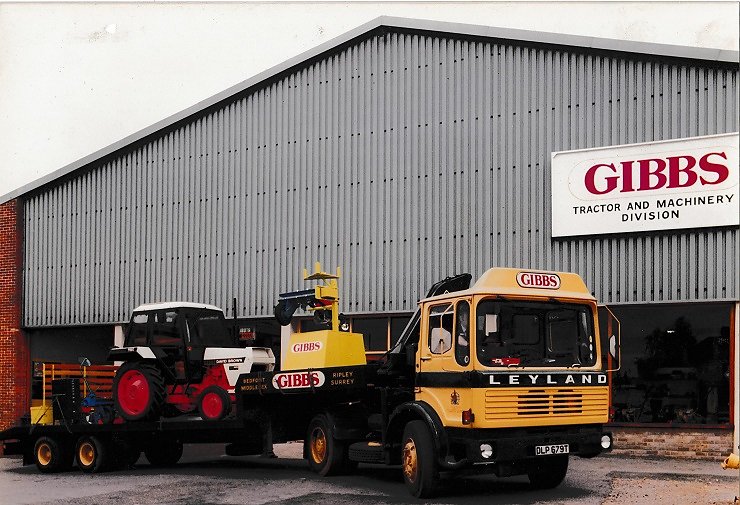
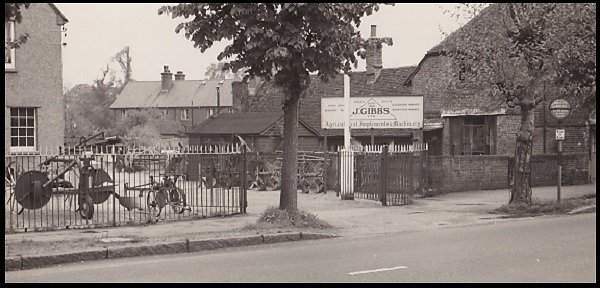
Gibbs opened a branch of the firm in Ripley, Surrey in 1938. This branch specialised in agricultural equipment and designing and installing irrigation systems; in 1948 they won the contract to supply a new irrigation system for the White City stadiu…
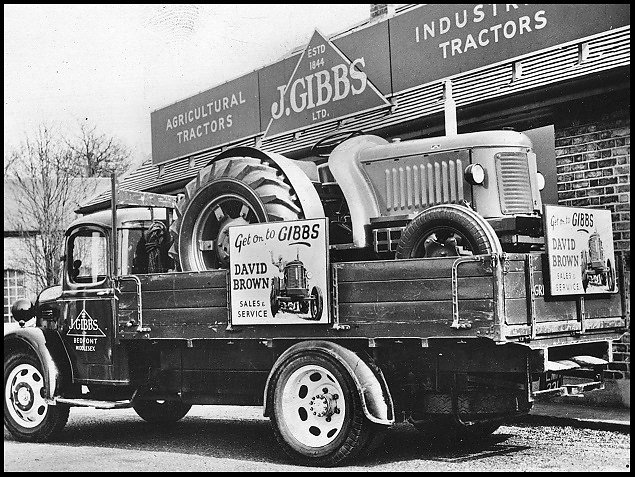
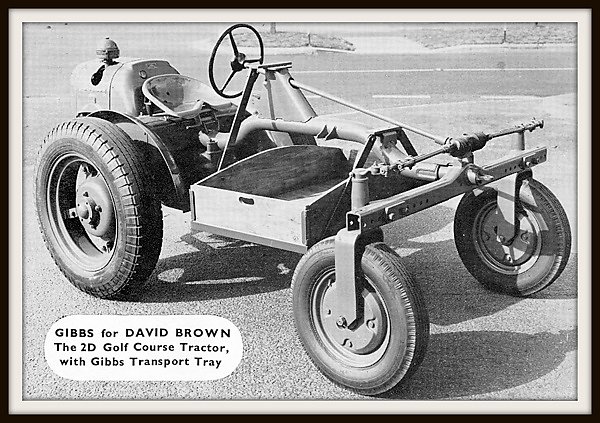
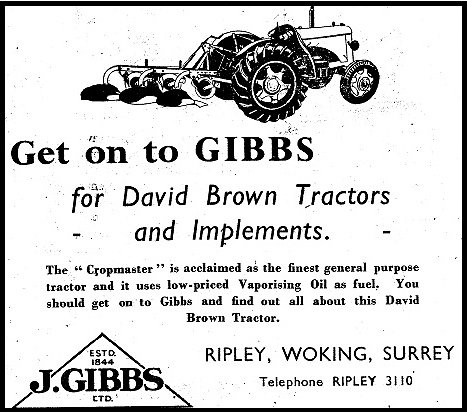
Gibbs worked with the firm of David Brown from the start of Brown’s involvement with tractors in 1936. It proved to be a very successful association and Gibbs were appointed London area distributor for them in 1958. The association continued after…
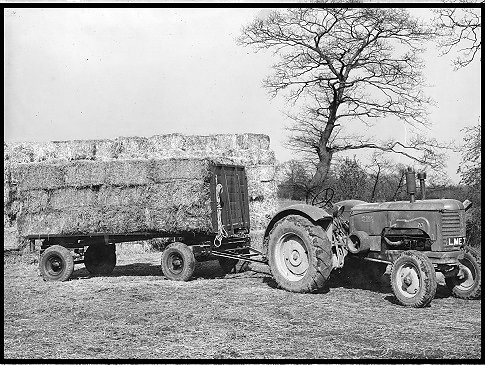
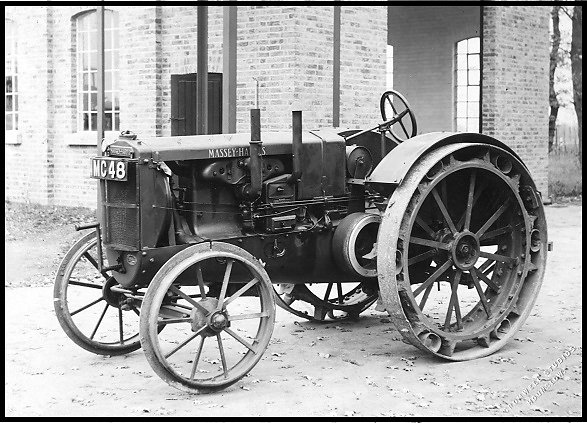
Just as the lorry took over from the horse-drawn wagon, so the tractor superseded the horse on the farm. As usual, Gibbs was quick to supply this wonderful new invention, together with all the implements which it could operate. They had a long as…
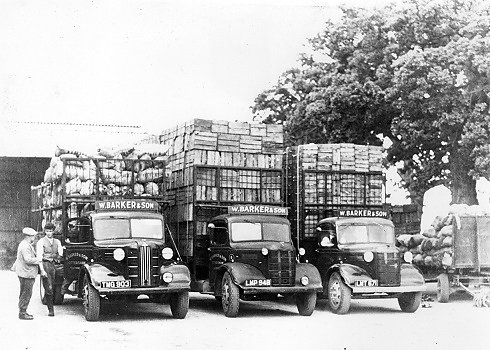
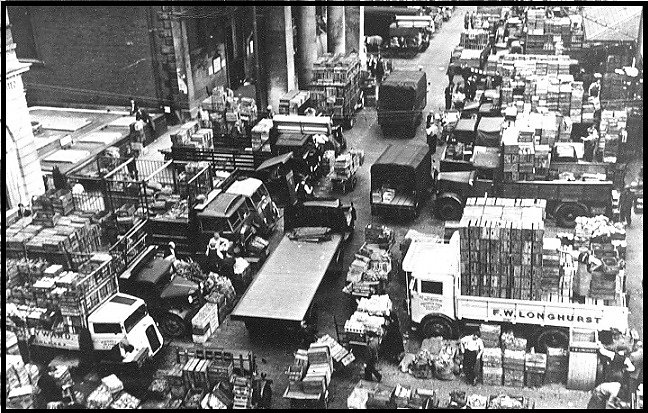
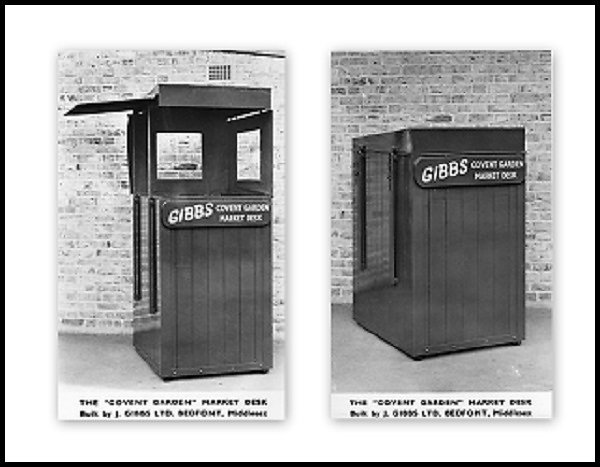
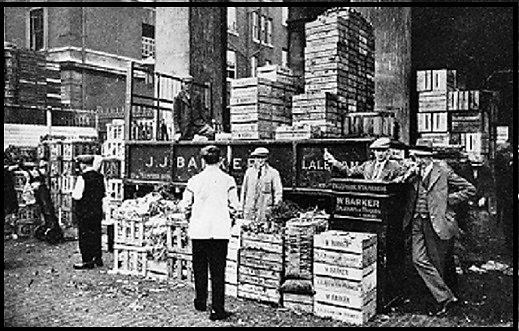
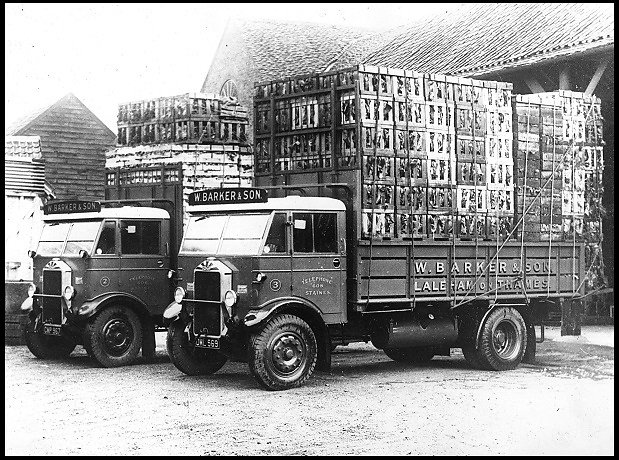
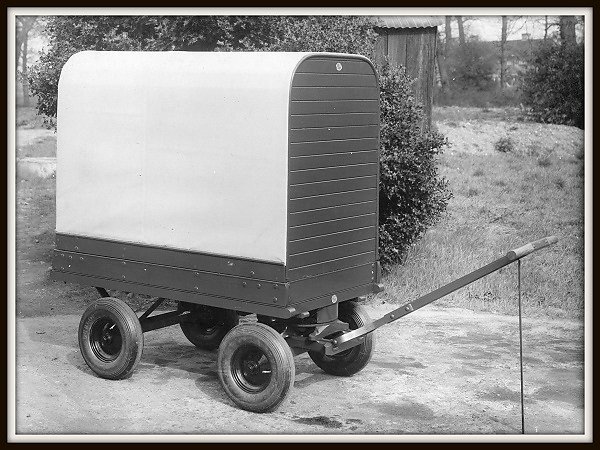
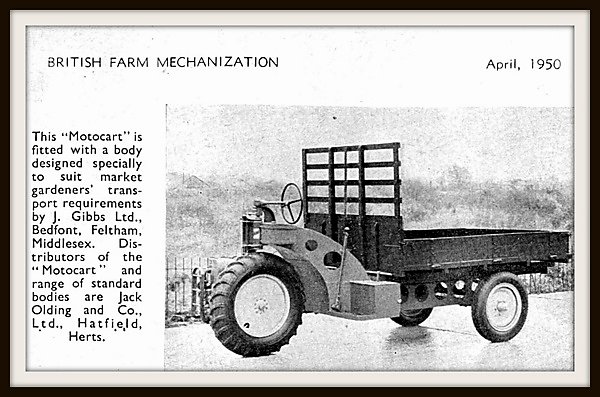
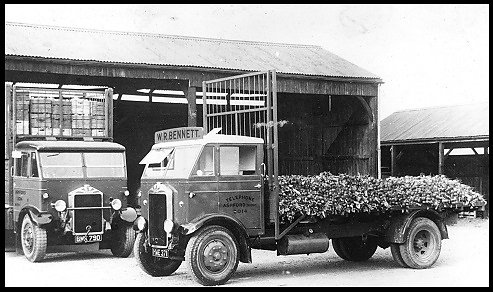
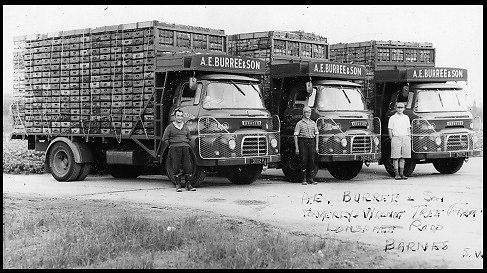
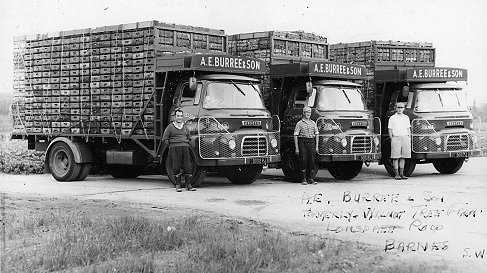
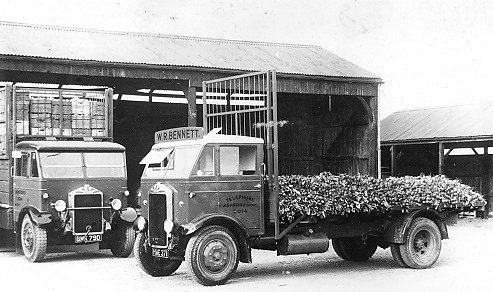
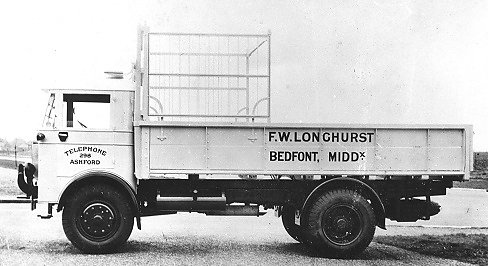
Gibbs specialised in building vehicle bodies to meet customers’ specific needs. They bought in the chassis frames and built on a body for a particular purpose, often to the customer’s specification. Lorries used to carry crates of produce to market…
Herbert had four sons, the eldest William John (1896 to 1916) was killed in the First World war. Herbert commissioned a stained glass window in William’s memory which is sited in the chancel area of St Mary’s Church in Bedfont. His three remaining…
Awarded first prize at the Middlesex Agricultural Society Show on the 5th October 1900. The winner’s plaque can be seen in the Gibbs history display at the Rural Life Centre.
As time passed the business flourished and the range of goods and clientele expanded. Although agricultural wagons and implements remained the mainstay of the business, the firm expanded into building private carriages, commercial vehicles and other…
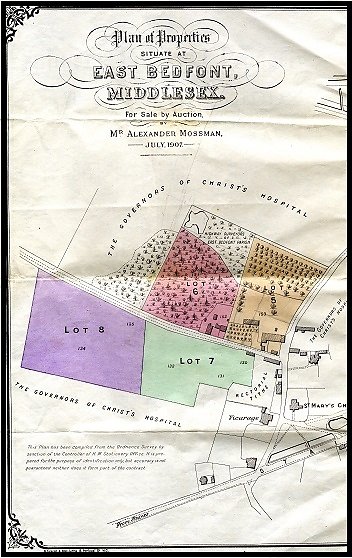
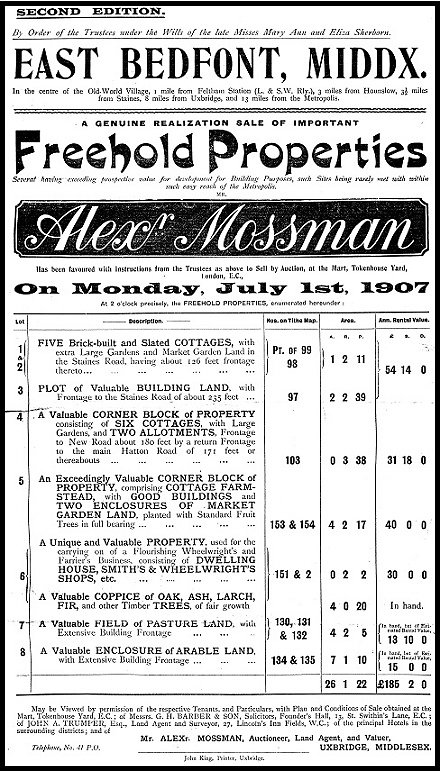
The expanding business resulted in Herbert renting more land adjoining the original site and then in 1907 he purchased the original site and the plot next door. Herbert bought lots 5 & 6. The Spinney is the building shown in Lot 6 in the bottom ri…
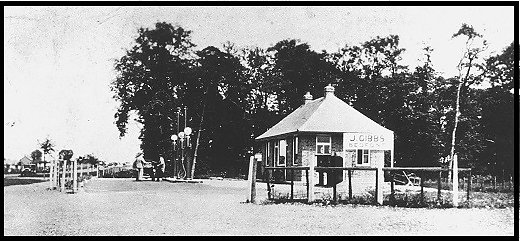
This petrol station was built on land which Herbert originally rented in 1898 and later purchased. The building is still in existence and can be seen from the A30.